
What to Expect When Your Roofing Project Gets Underway

A roofing project is one of the more disruptive home improvements. Understanding what the process involves before it begins reduces the uncertainty that makes any significant project feel more stressful than necessary. Homeowners who know what to expect navigate the experience more comfortably than those encountering each stage without preparation.
Preparation and Awareness Make the Process Smoother

A roofing project managed by the right contractor moves efficiently through predictable stages. Homeowners who partner with experienced Connecticut roofing contractors arrive at project day knowing what to anticipate and confident that every stage will be handled with the professionalism the investment deserves.

Pre-Project Preparation Protects What Is Inside and Around the Home

To begin with, roofing projects create vibration and debris that affects the home’s interior and exterior surroundings in ways worth preparing for before the crew arrives. Wall-mounted artwork and shelving items should be secured or removed temporarily. Attic contents benefit from covering with tarps that protect against dust and occasional debris that finds gaps in the decking. Vehicles should be moved away from the work area. Patio furniture and outdoor decorative items near the home perimeter should be relocated. Pets and children benefit from arrangements that keep them away from the work area throughout the project day. These simple preparations prevent the minor damages and inconveniences that unprepared homeowners discover during or after the project.

Tear-Off Day Is the Loudest and Most Active Stage

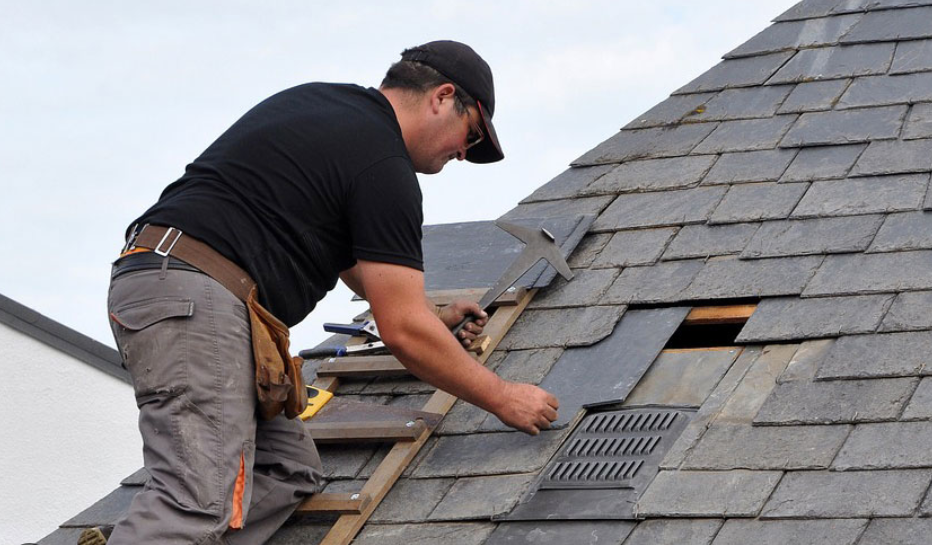
Furthermore, the tear-off phase of a roofing project is the most disruptive portion of the entire process. Removing existing roofing material generates significant noise that persists throughout the working day. Debris slides from the roof to collection areas or dumpsters positioned around the perimeter. Crew members move actively across the roof surface continuously. This activity is normal and expected. It means the project is progressing efficiently. A well-organized roofing crew completes tear-off, decking inspection and repair, and new material installation in a single day on most residential projects. Knowing that intensity is temporary makes it significantly more manageable.

Decking Inspection Sometimes Reveals Additional Work

Another stage homeowners should understand before work begins is the decking inspection that follows tear-off and occasionally produces scope adjustments. Decking hidden beneath old roofing material sometimes reveals moisture damage, soft spots, or deterioration that was not visible during pre-project assessment. A professional contractor documents these findings promptly. They explain what was discovered and why addressing it before new materials are installed protects the overall project outcome. This conversation is a sign of professional transparency rather than an attempt to expand the project unnecessarily. Contingency budget allocation that anticipates possible decking repairs prevents this discovery from creating financial stress mid-project.

Final Cleanup Reflects the Contractor’s Overall Standards

Finally, how thoroughly a roofing crew cleans up after project completion reveals the overall standard of the company executing the work. Magnetic nail sweeps that collect fasteners from the lawn and driveway. Complete debris removal from the property. Inspection of landscaping and gutters for material that settled during the project. A final walkthrough that confirms the homeowner’s satisfaction before the crew departs. These cleanup standards protect the homeowner’s property and demonstrate the professional accountability that quality roofing contractors apply consistently through every stage of every project.

Conclusion: Preparation and Awareness Make the Process Smoother

To sum it all up, roofing project preparation, tear-off day expectations, decking discovery awareness, and cleanup standards together define an experience that informed homeowners navigate confidently from start to finish.

What Connecticut Homeowners Should Know Before Hiring a Roofer

Finding a roofer worth trusting is not as straightforward as it should be in a market where licensing requirements, insurance standards, and workmanship quality vary considerably from one contractor to the next. Homeowners who understand what distinguishes genuinely qualified roofers from less capable operators make better decisions before anyone climbs onto their roof.

The Roofer You Choose Determines the Result You Live With

A roofing project completed to a professional standard protects a home for decades. One executed poorly begins revealing its shortcomings with the first significant weather event that follows. Homeowners committed to getting this right partner with experienced Roofers in CT whose credentials, workmanship standards, and local knowledge match what a project this permanent genuinely demands.

New England Weather Creates Specific Roofing Performance Requirements

To begin with, the climate delivers a demanding combination of conditions that roofing systems must withstand reliably across their entire service life. Heavy snow loads that stress decking and structural components, ice dam formation along eave lines that forces water beneath shingles, freeze-thaw cycles that work at flashing seals and penetration points, and nor’easter wind events that test every fastener and adhesive strip all combine to create performance requirements that roofing systems in milder climates never face. A roofer with genuine regional experience specifies materials and installation details that account for these specific demands rather than applying generic standards developed for conditions that simply do not match what local roofs actually endure.

Ice and Water Shield Installation Is Non-Negotiable in This Climate

Furthermore, one of the most telling indicators of a roofer’s regional knowledge and installation standards is how seriously they approach ice and water shield application in vulnerable areas. Proper ice and water shield installation along eaves, in valleys, and around all roof penetrations provides the secondary moisture barrier that prevents ice dam related water intrusion from reaching the decking and interior structure. A roofer who treats this component as optional or applies it minimally to reduce material costs is making a decision that the first significant ice dam event will expose in the most expensive way possible for the homeowner living beneath it.

Contractor Licensing and Insurance Verification Protects Homeowners

Another essential step that Connecticut homeowners should complete before signing any roofing contract is verifying that the contractor holds a current Home Improvement Contractor registration and carries both general liability and workers compensation insurance at appropriate coverage levels. Roofing is among the highest risk construction trades, and working with an uninsured or improperly licensed contractor transfers liability for jobsite injuries and property damage directly to the homeowner in ways that a single insurance verification phone call would have prevented. A legitimate roofing contractor provides this documentation without hesitation when asked and considers the request a reasonable professional standard rather than an inconvenient demand.

Written Contracts Eliminate the Most Common Sources of Dispute

Finally, every roofing project regardless of size deserves a detailed written contract that specifies materials by manufacturer and product line, defines the complete scope of work including tear-off and disposal, establishes the payment schedule, and documents the warranty coverage provided for both materials and labor. Verbal agreements and vague estimates leave too much open to interpretation and create the conditions where expectations and delivery diverge in ways that written documentation would have prevented from the outset.

Conclusion: The Roofer You Choose Determines the Result You Live With

To sum it all up, selecting a qualified roofer requires understanding regional performance demands, verifying ice and water shield standards, confirming licensing and insurance, and insisting on detailed written contracts. These steps consistently separate successful roofing projects from disappointing ones before a single shingle is removed.